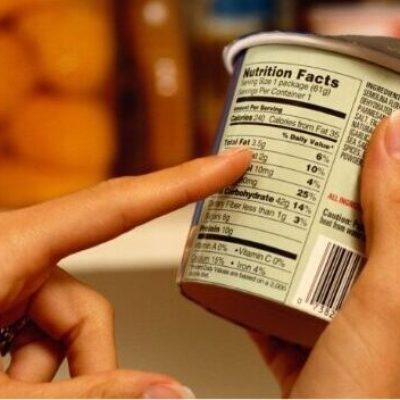
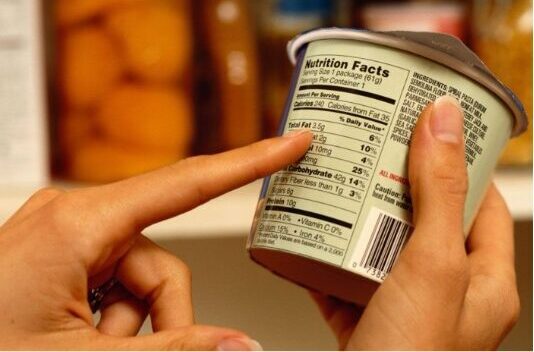
Reading food labels may seem straightforward—but for many people, labels create more confusion than clarity. Calories, macronutrients, and claims such as “natural” or “high protein” often give a false sense of health.
Understanding nutrition labels correctly is not about memorizing numbers. It is about knowing what actually matters and recognizing what is simply marketing.
Start With the Ingredients List
Ingredients are listed in descending order by weight, meaning the first few ingredients make up most of the product.
Look for:
- Short, recognizable ingredient lists
- Minimal added sugars listed under multiple names
- Protein sources listed early, when relevant
If refined sugars, flours, or fillers dominate the list, the product may not support your goals—regardless of front-label claims.
Don’t Let “Healthy” Claims Distract You
Terms such as natural, organic, keto-friendly, gluten-free, or high protein are not indicators of overall nutritional quality.
These claims:
- Are often loosely regulated
- Do not reflect portion size or balance
- Can distract from excess sugar, sodium, or low-quality fats
A product can meet a marketing claim and still be nutritionally poor.
Pay Attention to Serving Size
Serving size is one of the most overlooked—and most impactful—parts of the label.
Ask yourself:
- Is this a realistic portion for how I eat?
- Am I consuming one serving or multiple?
All label values apply only to one serving, not the entire package.
Context Matters More Than Numbers
No single number determines whether a food is “good” or “bad.”
Label interpretation depends on:
- Health history
- Activity level
- Digestive tolerance
- Weight or performance goals
- Post-surgical needs, when applicable
This is why generalized label rules often fail. Nutrition is contextual, not universal.
When Label Reading Becomes Overwhelming
If reading labels creates anxiety or constant second-guessing, the issue is not discipline—it is lack of personalized guidance.
At My Bright Nutrition, label reading is taught as a practical skill, not an obsession. Through telehealth nutrition services, clients learn how to interpret labels in a way that supports their goals without rigidity or fear.
Food labels are tools. Used correctly, they support informed decisions. Used incorrectly, they create unnecessary stress.
If you want help applying label reading to your real life—not just the grocery aisle—professional nutrition guidance can make the difference.